


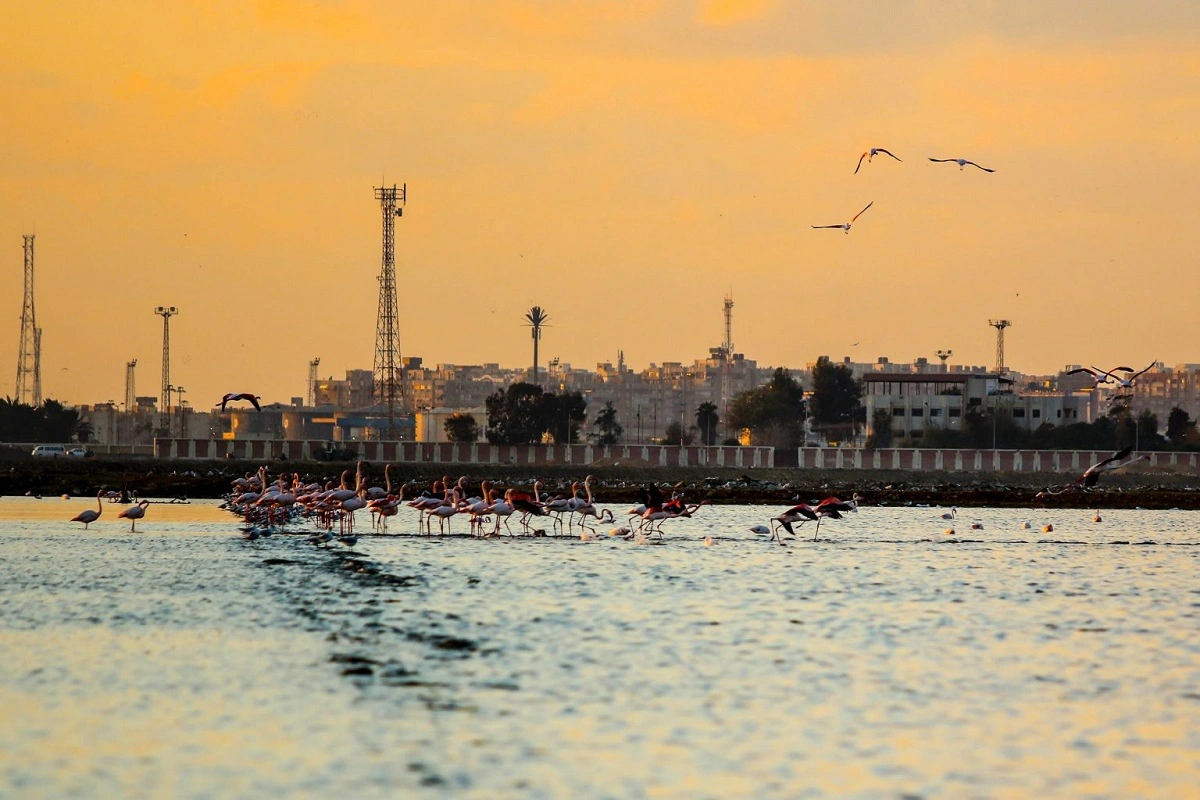
Discover Egypt’s wetlands, their role in fighting climate change, preserving biodiversity, supporting communities, and sustaining ancient ecological traditions.
Every year on February 2, the world marks World Wetlands Day, reaffirming the vital role wetlands play in combating climate change and reducing carbon pollution. The 2026 theme, “Wetlands and Traditional Knowledge: Celebrating Cultural Heritage,” highlights the intimate connection between ecological preservation and human history, offering a powerful lens through which to view Egypt’s unique environmental and cultural landscape. Across the Nile Valley, the northern lakes, and the Red Sea coast, traditional crafts rooted in wetland plants continue to embody centuries of coexistence between people and nature.
According to the United Nations, wetlands are ecosystems in which water is the primary factor controlling environmental conditions and the associated plant and animal life. This broad definition includes freshwater, marine, and coastal ecosystems such as rivers, lakes, aquifers, marshes, peatlands, oases, estuaries, deltas, tidal flats, mangroves, coral reefs, and even human-made systems like fish farms, rice fields, reservoirs, and salt pans. These diverse environments function as natural filters, carbon sinks, biodiversity reservoirs, and climate buffers.
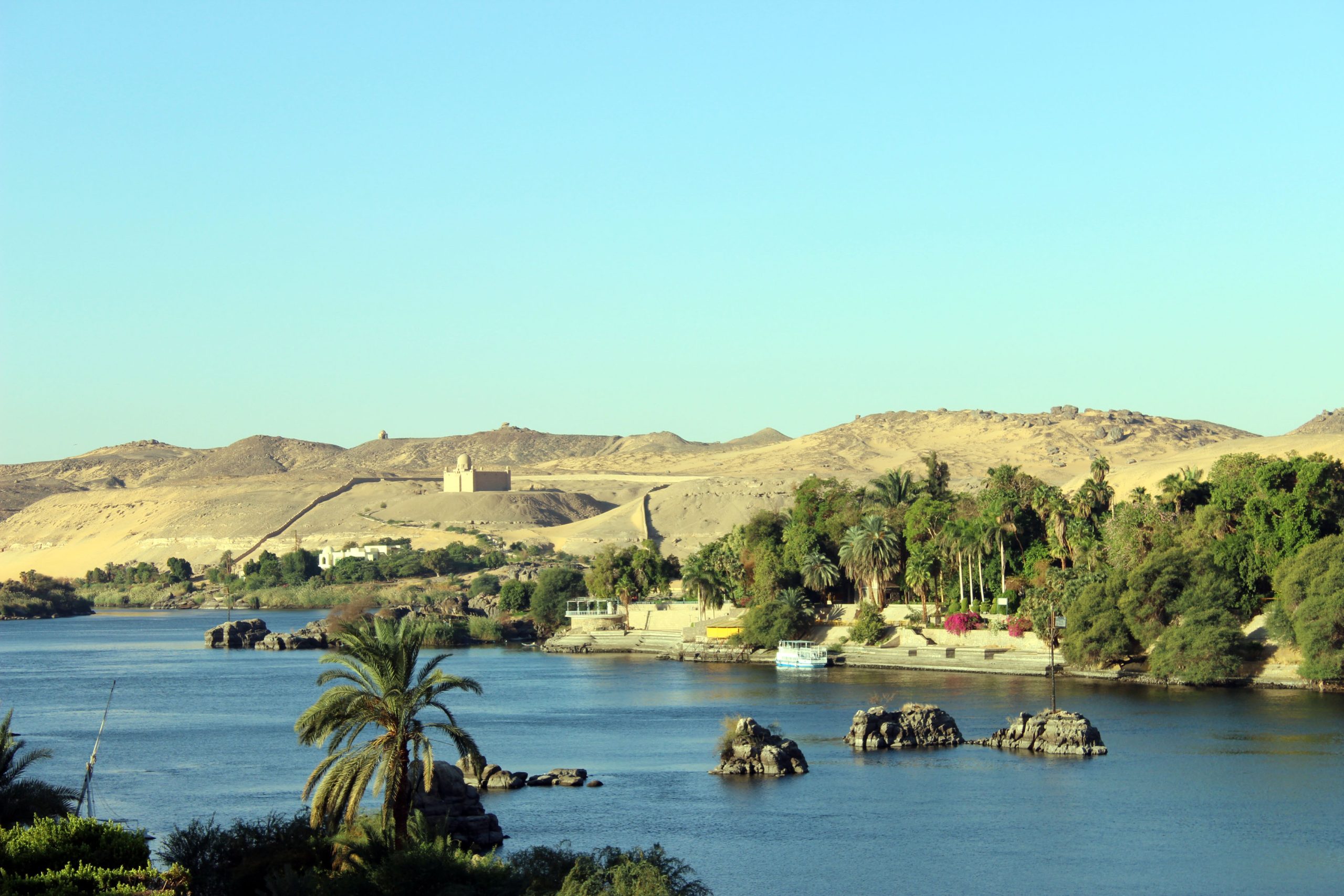
Dr. Hussein Rashad, an expert at Egypt’s Northern Protected Areas Department, explains that wetlands are transitional zones where land meets fresh or saltwater, with depths ranging from less than one meter to six meters. Among Egypt’s most important wetlands are Lake Manzala and the Ashtum El-Gamil Protected Area, which encompasses the archaeological site of ancient Tennis alongside marine and freshwater sectors. As natural ecosystems, wetlands possess a remarkable capacity for self-purification, filtering pollutants while absorbing greenhouse gases. After tropical rainforests, wetlands are considered the planet’s second lung due to their exceptional ability to regulate atmospheric gases.
Rashad emphasises that wetlands absorb massive quantities of carbon dioxide. In the absence of extensive forests, Egypt relies heavily on its mangroves along the Red Sea and its fifteen natural lakes to fulfil this ecological role, making them the country’s true respiratory system. Lake Manzala, Egypt’s largest natural lake, once spanned nearly 1,000 square kilometres and continues to function as a critical carbon sink through its dense aquatic vegetation and sediment layers.
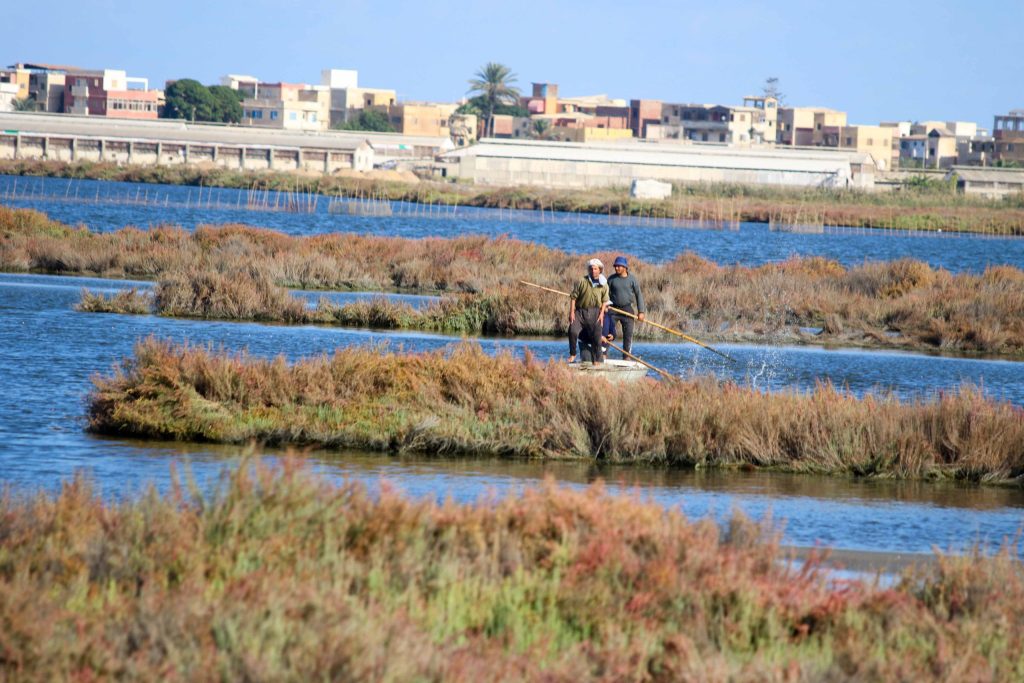
In 2017, Egypt launched a national project to rehabilitate its northern lakes, deepening water basins, clearing invasive vegetation islands, and enhancing their capacity to accommodate rising Mediterranean sea levels. These restoration efforts, Rashad explains, represent one of the most effective nature-based solutions for climate resilience and biodiversity recovery.
The international Ramsar Convention, signed in Iran in 1971, provides a framework for wetland conservation and sustainable use. Egypt currently has four Ramsar-designated sites: Lakes Bardawil, Burullus, Qarun, and Wadi El-Rayan. Other ecologically significant areas, including Ashtum El-Gamil, the Bitter Lakes, Nile islands, and large stretches of the Red Sea coast, remain nationally protected though not formally registered under the convention.
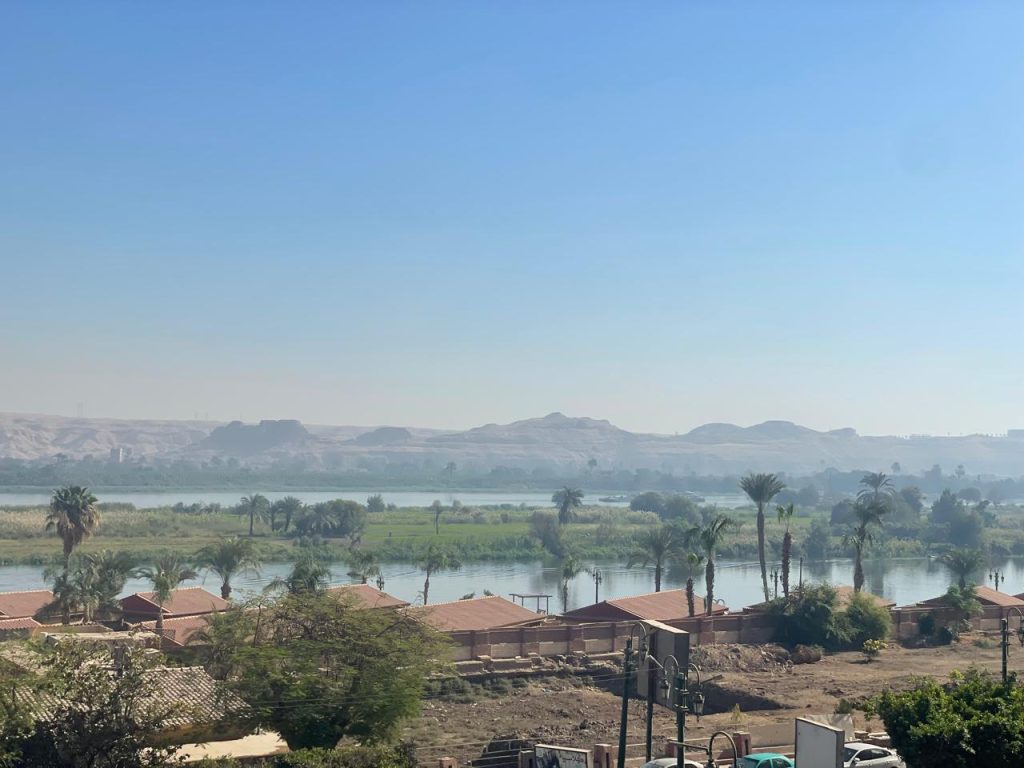
Despite their ecological importance, wetlands face mounting threats. A Ministry of Environment report identifies land reclamation and urban expansion as primary dangers, leading to large-scale drainage and habitat loss. Lake Burullus, for example, shrank from 136,000 feddans in 1953 to just 101,000 feddans by 2000 due to agricultural encroachment. This contraction introduced massive volumes of agricultural, sewage, and industrial wastewater, disrupting salinity balances and devastating aquatic biodiversity.
Yet wetlands are not only ecological assets; they are also living cultural archives. In the village of Al-Qaramous, papyrus cultivation has survived for over seventy years, using seedlings originally sourced from the Orman Botanical Garden. Today, the village functions as an open-air workshop producing handcrafted papyrus sheets and artworks that echo ancient Egyptian traditions, supplying both local markets and global tourism.
Similarly, in the rural communities of Menoufia, Sharqia, and Fayoum, the sammar plant,growing along irrigation canals, has long been woven into traditional mats used in homes, mosques, and guest houses. These eco-friendly products remain symbols of rural craftsmanship and sustainable living.
In Fayoum and Lake Qarun, one of Egypt’s most significant bird-nesting habitats, over 226,000 waterbirds were recorded in 2010. The reserve also shelters endangered mammals such as the slender-horned gazelle and the Dorcas gazelle, alongside the Egyptian hyena and red fox, making it a thriving destination for eco-tourism, birdwatching, safaris, and heritage exploration.
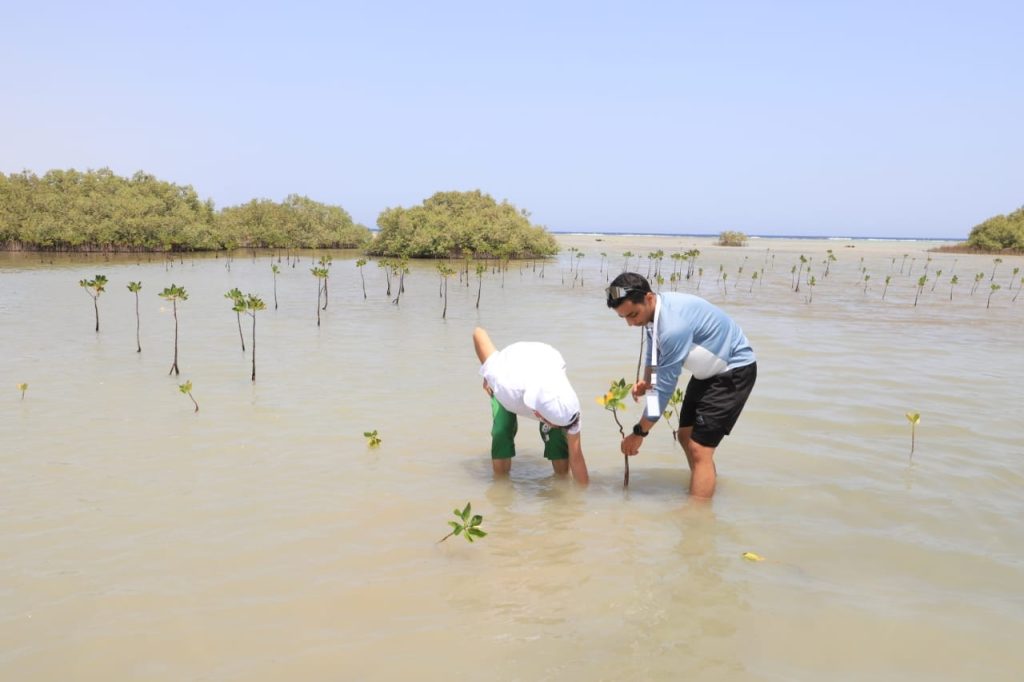
Along the Red Sea coast, mangrove forests stand among Egypt’s most efficient wetland ecosystems. Dr Adel Suleiman, head of the “Environment Without Borders” Association, describes mangroves as integrated ecological systems rather than mere trees. Research shows they can sequester carbon at rates up to five times higher than tropical forests. Beyond carbon capture, mangroves serve as nurseries for fish, sanctuaries for birds, and natural desalination systems.
Suleiman leads a mangrove propagation project in Marsa Alam and Wadi El-Gamal, restoring forests severely degraded by climate change, overgrazing, and shifting tidal patterns. His team has planted more than 15,000 mangrove saplings and established two cultivation greenhouses, supporting both ecosystem recovery and local livelihoods. Elders in the region recall dense mangrove forests only six years ago,now vanished under rising temperatures and fluctuating sea levels,underscoring the urgency of restoration.
As Egypt confronts accelerating climate pressures, its wetlands emerge not merely as landscapes but as living testaments to resilience, heritage, and hope. In preserving them, Egypt safeguards both its environmental future and its ancient dialogue between humanity and water.
