


Many countries around the world have resorted to enacting strict legislation and penalties to prevent the demolition or alteration of historic buildings. This legislation is subject to constant amendments, especially with the acceleration of construction around the world. To preserve historic buildings that are not registered as monuments, protection takes many forms, from France to the United States, Scotland and Azerbaijan, where innovative methods are used, such as moving buildings weighing hundreds of tons, rehabilitating old theaters and factories, and converting them into banks, museums or residential units. Bab Masr looks at examples from around the world that show how governments, real estate developers, and urban planners deal with historic buildings.
Heritage protection
In the United States, there has been growing interest in historical preservation laws in recent years, with legislation enacted to protect buildings and landmarks of historical value.
According to the National Park Service, there are approximately 2,300 laws related to heritage preservation across the United States.
Historical buildings conflict with contemporary planning
Some historical buildings conflict with contemporary urban planning, such as the 2023 development plan to redesign a historic library site and integrate it with a public green space. The problem was how to preserve this architectural heritage that was part of the city’s cultural identity.
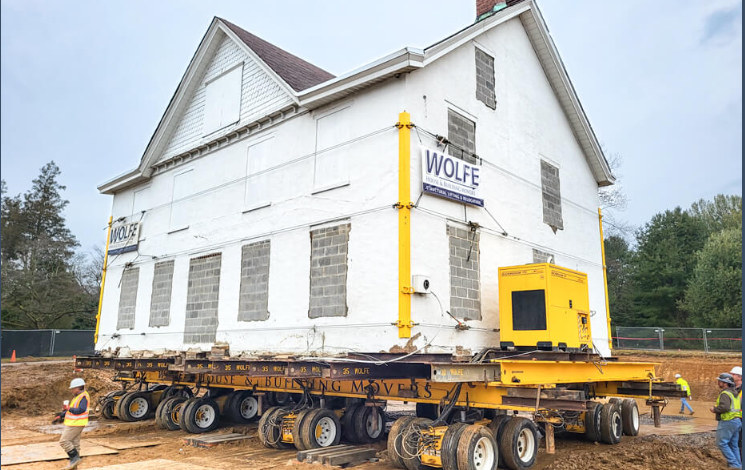
One innovative solution was to hire Wolfe House Building Movers, a company specializing in moving entire structures and houses from one location to another. The goal was to preserve the historic buildings and trees.
Moving houses from their original locations
Over the past 50 years, the American company has successfully saved many historic buildings by moving them in their entirety from their original locations. This is no easy task, especially when dealing with historic houses that are over 200 years old or historic trees that weigh more than 300 tons.
The company moved a historic stone and brick library building built in 1913 in Connecticut 115 feet within the same plot of land, rotating it five degrees and setting it on a new foundation.
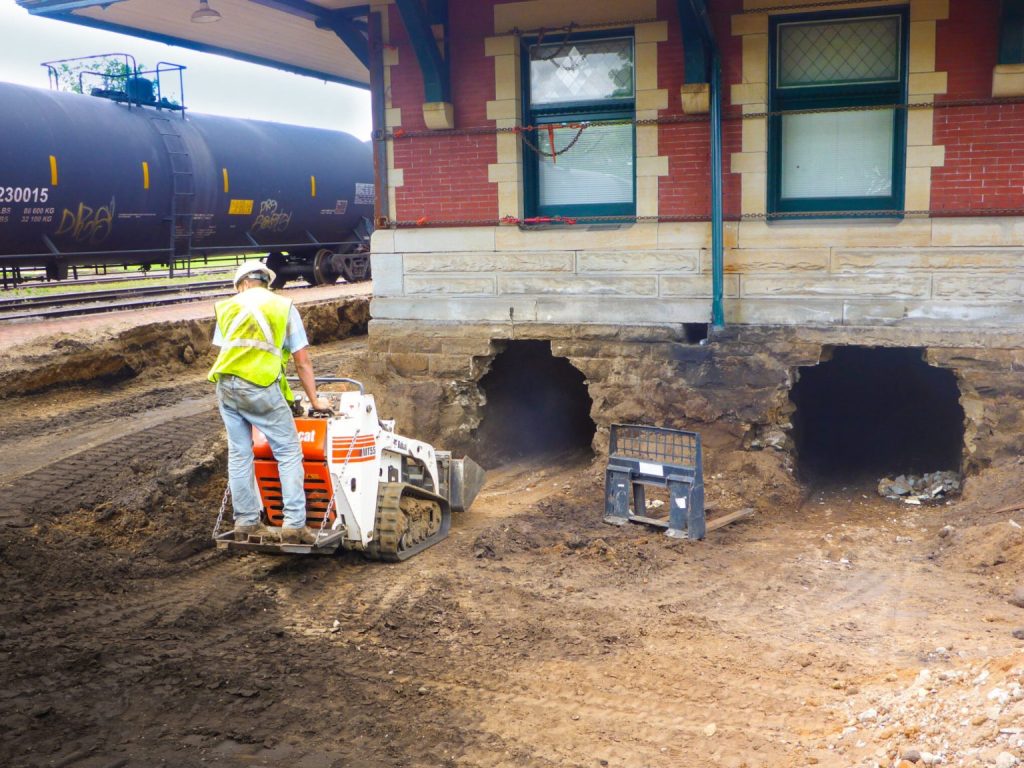
Preserving the historic building’s features
During the relocation, the company took care to preserve everything old in the historic building, such as the burnt clay floors and classic columns at the entrance.
The company also successfully completed another project to save the heaviest historic building, weighing 1,750 tons, by relocating it in its entirety. The building in question was the Bellevue Belmont Hotel in Belleaire, Florida, which was built in 1897.
Preservation of historic railway stations
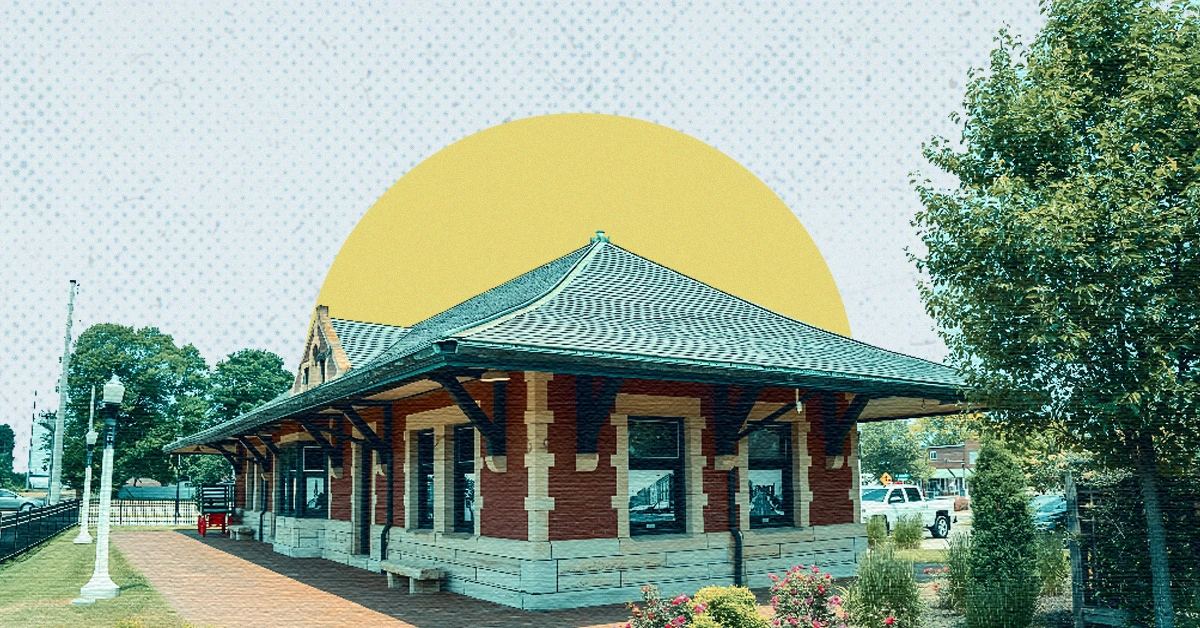
The aim of relocating historic buildings was not only to save them from demolition or conflict with modern construction projects. In the US state of Michigan, for example, there was a historic railway station in an isolated location.
Due to the lack of use of the station building, a project was carried out to relocate it from its isolated location to the city center, where cultural activities are abundant, with the aim of restoring it to its former glory as a historical and cultural landmark.
Built in 1867, the station is one of the oldest buildings in the area. It features thick stone walls ranging from 17 to 24 inches thick. The building is 96 feet long and 41 feet wide and weighs approximately 304 tons. Among the proposals for the building’s use after its restoration is to convert it into an interactive museum for children.
The legacy of a subway station
Interest in old railway station buildings seems to have been a priority. A road widening project threatened the historic Cox House, which dates back to the late 18th century. The building is significant as part of the state’s railway station heritage.
Wolf House Movers relocated the house from its location next to the highway to a safer location within the Pennsylvania State Parks, preserving it from the effects of the road expansion.
Secret station
Built in 1790 from red brick, this historic house was only eight feet from the highway. It gained attention for its humanitarian role in American history. It was used as a secret station in the Underground Railroad network that helped escaped slaves flee north to Canada in the early 19th century. During the move, the original chimneys and fireplaces were preserved.
Preserving history
The urban planning website Norwalk Tomorrow defines historic buildings as more than just old structures, but as vital threads in the fabric of a city’s identity, and that preserving them shapes the character and future of a community.
The website adds: “Historic buildings form tangible links to the past, imparting a sense of belonging and continuity. They embody the cultural and aesthetic development of a city and often commemorate important events.”
Economic benefits
The urban planning website lists the economic benefits of preserving historic buildings, including:
1- The quality of pre-World War II construction, which is characterized by superior craftsmanship and materials such as pine, marble, and handmade brick. Modern buildings rarely replicate this durability or distinctive character.
2- The rehabilitation of historic buildings can stimulate economic growth. Once restored, they attract investors, tourists, and new businesses. The conversion of a single abandoned building into commercial or mixed-use space can transform the character of a neighborhood.
The aesthetic and environmental importance of old buildings
The American urban planning website also highlighted the aesthetic and environmental importance of old buildings. This is because they contain details and features that are no longer found in modern buildings. These include decorative facades, unconventional glasswork, and copper materials.
In addition to old bricks, antique wood, wall or ceiling paintings, and stained glass. Experts describe these features as the essence of the identity of old buildings, which make them more attractive than modern buildings.
In addition, the preservation of old buildings is a form of recycling. According to a report by urban planning experts, “Renovating and reusing existing buildings improves energy and material efficiency and reduces waste. There is no need to produce new materials or dispose of old, damaged materials. Demolishing buildings can also release toxins and pollutants into the environment.”
Grants for heritage preservation
Historic buildings are preserved through restoration and reuse. In the United States, for example, the city of Norwalk has seen significant investment, preserving its many historic buildings and distinctive character.
There are many programs available to finance the rehabilitation of historic buildings. Non-profit organizations, non-profit housing companies, and homeowners can apply for grants from the Historic Preservation Fund.
Revitalizing historic buildings
The revitalization and contemporary reuse of historic buildings while preserving their distinctive character is a common project in the United States. To reuse these buildings, they are restored through tax exemptions. In the US state of Ohio, for example, a budget of $66 million has been allocated to restore and revitalize 39 historic buildings across the state.
These projects are transforming historic buildings into residential units, service buildings, and offices. Among them is the Akron Soap Factory, built in 1893, according to the Signal Akron website.
Meanwhile, since 2018, Iowa has been planning to build a bank headquarters. The ideal plan was to utilize the historic Strand Theater, which dates back to 1915, and convert it into a fully serviceable building, including a bank headquarters and a gym. According to the KRCG website, it has already been opened as part of a project to restore the historic theater. The project cost $31 million to revive a number of historic buildings in the state.
Historic Buildings Preservation Fund
Moving to Scotland, special attention has been given to historic buildings through the launch of the Scottish Historic Buildings Trust, a pilot project to teach traditional building skills and provide craft training to local residents.
According to the Border Telegraph website, the foundation received official funding from a joint British government fund and encouraged owners of historic properties to participate by either offering their buildings or recommending others for restoration.
Protecting Azerbaijan’s first radio station
In Azerbaijan, heritage enthusiasts are keen to preserve historic buildings. In 2019, more than 200 people gathered inside an old building in a neighborhood of the capital, Baku, to prevent its demolition.
They called on the Ministry of Culture to include it on the list of protected historic buildings. According to the website “oc media,” the building, which was originally a Mennonite church, was later used as a cinema and was historically the site of the country’s first radio station.
Heritage restrictions in France
In France, about a third of homes are subject to strict restrictions aimed at preserving the unique aesthetic and architectural character of towns and villages. These rules do not even exempt modern renovations, including energy efficiency improvements. They are implemented according to the recommendations of the French building engineers (ABF), the body responsible for protecting heritage on behalf of the Ministry of Culture.
The basic rule imposed by the ABF is that the exterior appearance of buildings must be preserved as much as possible. One of the projects that has attracted attention is the restoration of an old butcher’s shop dating from 1945. With financial support from the municipality, the walls, floors and ceilings have been insulated and the ventilation system has been modernized.
French regulations for heritage protection
All work carried out near historical monuments in France is subject to strict regulatory procedures aimed at protecting the cultural and architectural value of these sites.
According to the official website of the French Ministry of Culture, the laws cover the protection of buildings classified as historical monuments as well as the surrounding area. This protection is considered a “right of public interest,” meaning that it is imposed for the benefit of society to preserve cultural heritage, regardless of the owner’s wishes.
The fate of a famous French castle
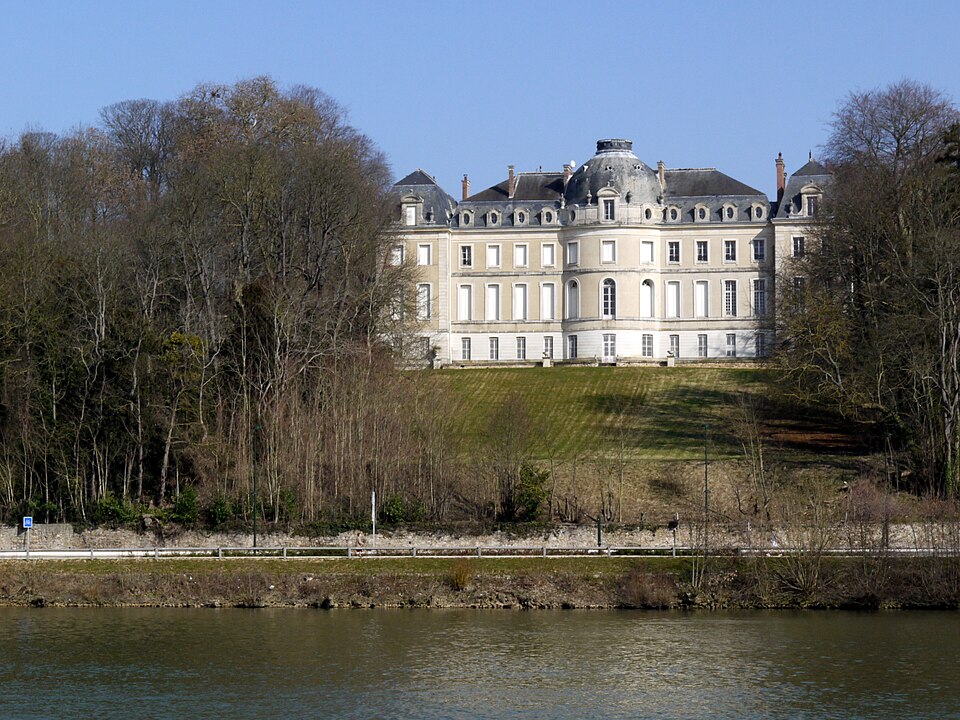
However, the manipulation of laws is a crisis facing the famous French castle of “Vaux-le-Vicomte” overlooking the Seine River, which is facing neglect. This crisis has prompted France to sign a preliminary agreement with the real estate development company “Histoir & Patrimoine”.
According to the website “Actu France,” the agreement aims to develop the historic palace into a residential complex with around 50 homes and to rehabilitate the neglected garden.
Despite the signing of the contract, negotiations are still ongoing without a final agreement. The company faces obstacles, most notably finding solutions for parking. Heritage enthusiasts have expressed concerns about the project, such as the obliteration of heritage identity or the cutting down of trees and reduction of surrounding green spaces, which is contrary to the terms of the contract.
The importance of preserving historical heritage
The ongoing demands to preserve historical buildings are not limited to their aesthetic value, but extend to significant economic, cultural, and environmental benefits. According to the website “Bayan Kini Legal Guidance”:
- Cultural heritage and architectural significance: Protecting historic buildings helps preserve the unique character and story of a community.
- Economic benefits: Well-preserved historic areas attract tourism, increase property values, and often benefit from tax incentives and grants.
- Sustainability: Adaptive reuse—the practice of repurposing old buildings for new uses—is often more environmentally friendly than demolition and new construction, reducing waste and conserving embodied energy.
