


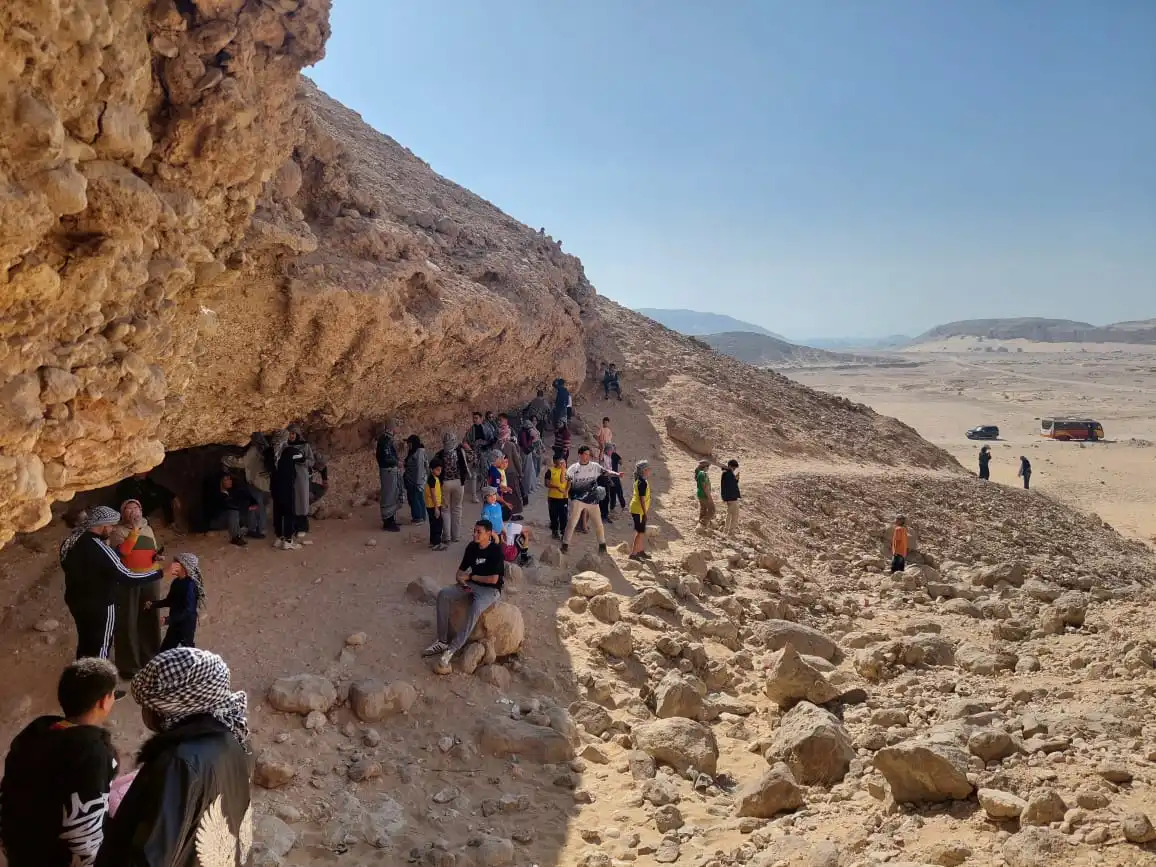
A hidden desert ecosystem in Assiut showcases the resilience of nature and the delicate balance of life in Egypt’s arid landscapes.
Morning Silence, Signs of Life
Just before sunrise, when the desert air is unusually cool and light barely touches the sand, Wadi Emo in Assiut appears completely still. No sounds disturb the dawn, no movement stirs the dunes. But a closer look at the foothills reveals traces of a night teeming with activity.
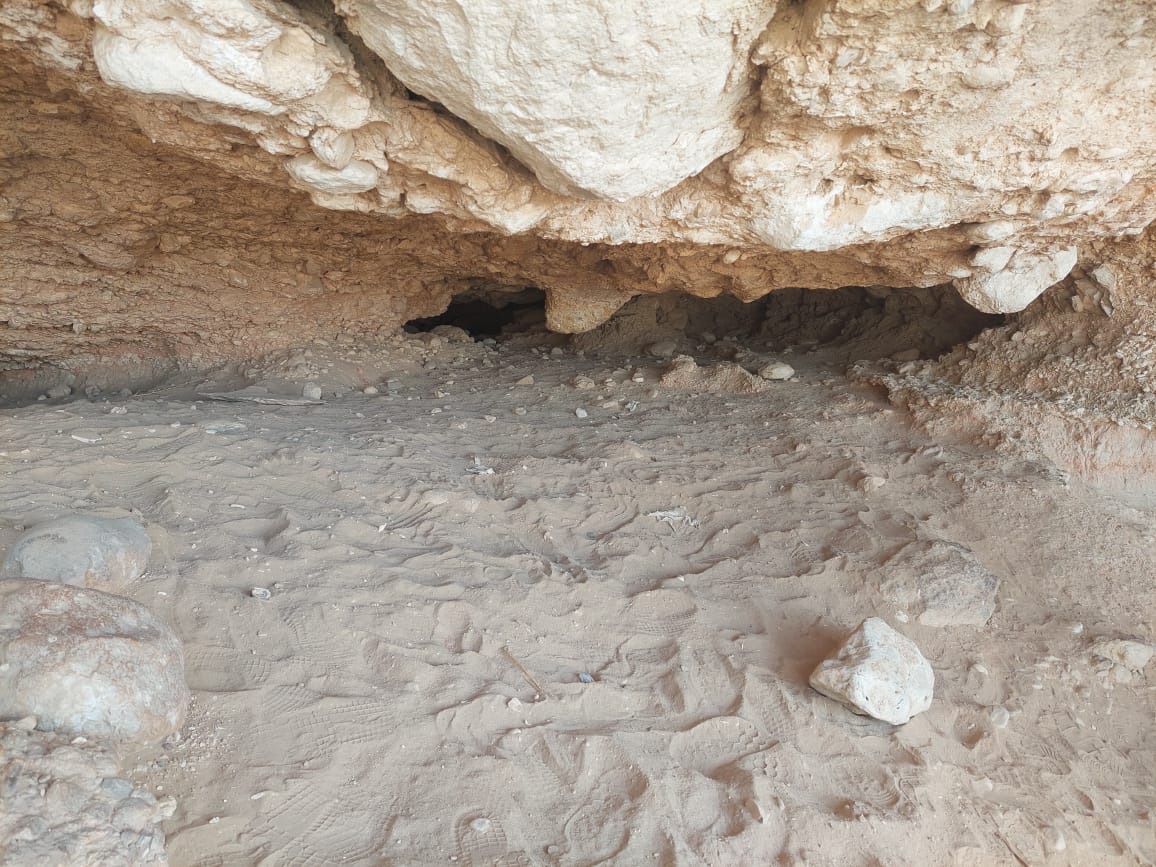
Tiny paw prints beside larger ones, meandering tracks left by careful movement, scattered remnants of prey, these are the silent testimonies of nocturnal predators and their hunt. Here, in Wadi Emo, the desert’s nocturnal world comes alive in subtle detail.
Wolves, Hyenas, and Desert Stewards
Dr Ibrahim Nefady, Director of the Assiut Wadi Nature Reserve, describes Wadi Emo as “more than just a location, it is a self-contained world governed by its own rules, largely hidden from human eyes.”
Known among visitors as the “Valley of Wolves and Hyenas,” Wadi Emo is a popular destination for school groups, families, and university students. The area combines rugged caves and rolling sand dunes, providing a rare opportunity to observe wildlife in its natural habitat.
Caves: Nature’s Protective Shelter
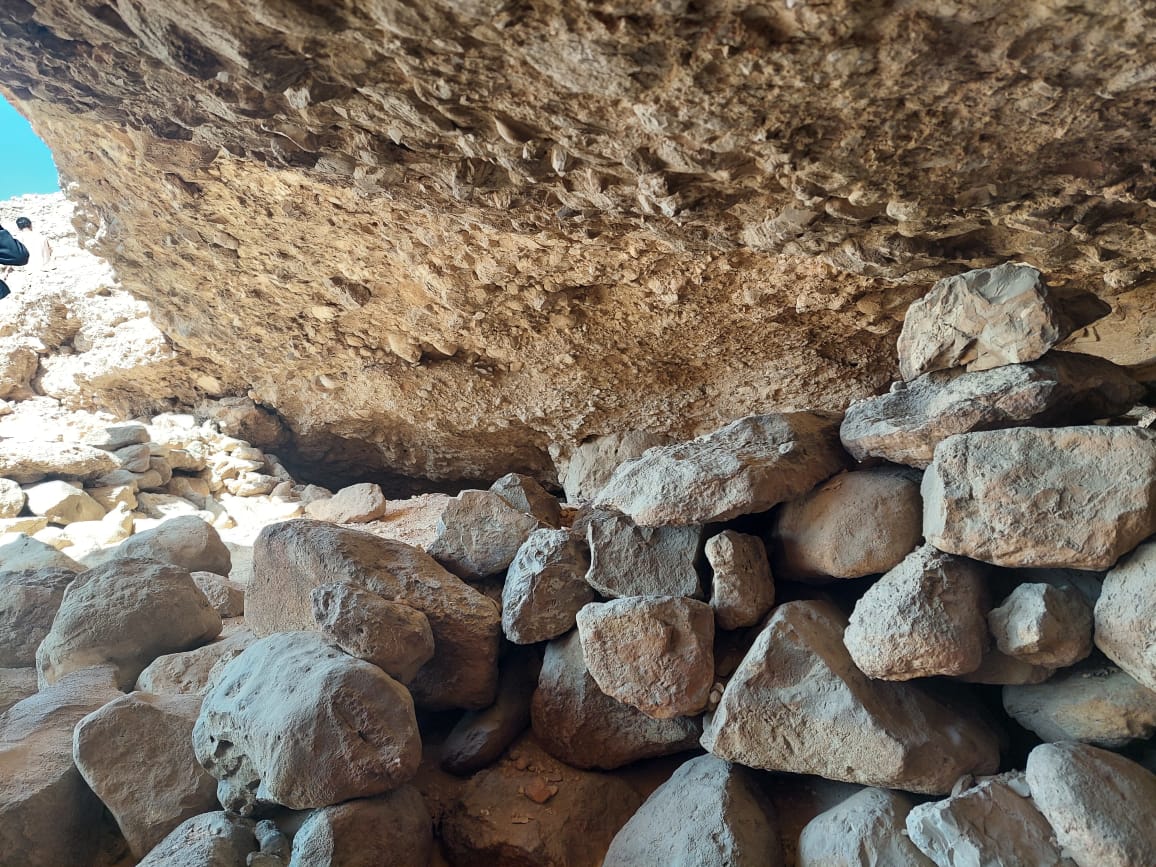
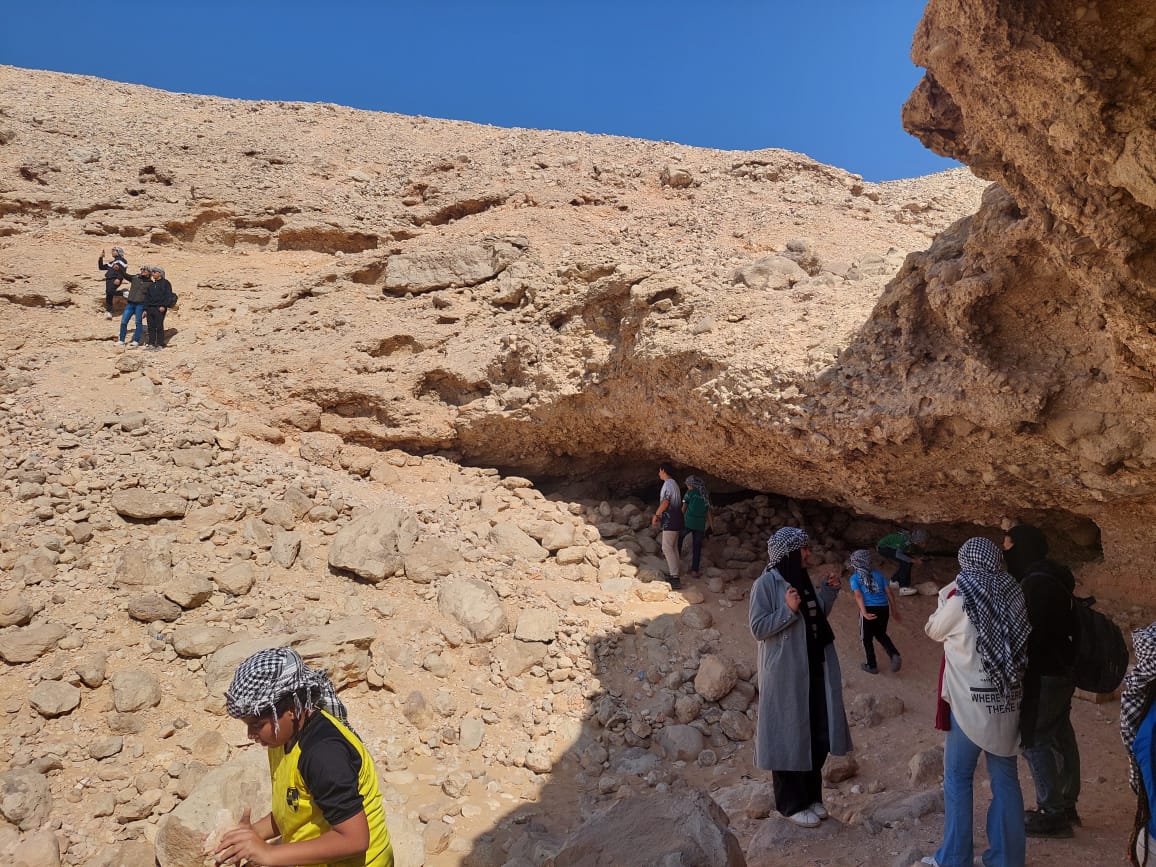
Beneath natural rock formations resembling giant umbrellas, three interconnected caves provide refuge for desert wildlife. A small entry cave, marked with paw prints, leads to a larger cave, culminating in the main cavern, which stretches 15 meters into the mountain and slopes inward to offer protection.
“These caves are not mere hollows in the rock; they are homes,” explains Nefady. “Animals spend daylight hours inside, avoiding the sun and nurturing their young, as if the mountain itself embraces them.”
Six wildlife species have been recorded within these caves, including wolves, foxes, mongooses, and wild rabbits. Most are nocturnal, emerging under the cover of darkness to hunt and forage before returning to their sheltered dens at dawn. Evidence of their activity can be seen in tracks, burrows, and scattered remains near cave entrances.
The Jackal: A Symbol with Ancient Roots
Among Wadi Emo’s inhabitants, the jackal stands out. This species of wolf held symbolic significance in ancient Egyptian culture, frequently depicted on temple walls and statues. Nefady notes that jackals rarely pose a threat to humans unless provoked, highlighting the delicate balance between wildlife and people.
“Wildlife is not the enemy of humans,” he emphasises. “Each species plays a vital role in maintaining the ecosystem.”
The Egyptian Gazelle: A Beacon of Hope
At dawn, the Egyptian gazelle emerges across the dunes, offering a breathtaking glimpse of grace and resilience. Nefady notes that this species, which is endangered, relies on the morning dew for water, allowing it to thrive in Assiut’s arid climate.
Groups of gazelles, sometimes numbering up to thirteen, have been observed grazing quietly, illustrating the fragile yet enduring rhythms of desert life. The gazelle’s reddish-pink blood, historically prized for its musk, and its nutritious meat, highlight its ecological and cultural significance. Local farms in villages along the Alexandria Desert Road now manage gazelle populations to support conservation while preventing illegal hunting.
Maintaining Life Amidst Aridity
In a region with scarce rainfall, the reserve maintains water basins throughout the desert to support wildlife. “We don’t feed nature; we help it endure,” explains Nefady. “Our role is to preserve this balance, not alter it.”
Every footprint in the sand, every hidden cave, tells the story of survival. In Wadi Emo, the desert is far from empty it is a living, breathing ecosystem.
Education and Environmental Awareness
Conservation efforts extend beyond wildlife protection. School visits to Wadi Emo are designed to instill environmental awareness. Children who notice animal tracks begin to ask questions, initiating their first steps toward understanding the desert ecosystem and humanity’s role within it.
“Protecting the valley means preserving an entire network of interdependent life,” says Nefady. “The disappearance of even one species could destabilize a delicate system that has developed over hundreds of years.”
Sunset and the Desert Cycle
As the sun sets and the heat of the day dissipates, Wadi Emo appears calm once more. Animals retreat into caves, preparing for another night of activity. But this stillness is only a pause—nature’s clock never stops. Each night, the desert’s hidden world awakens, continuing a cycle as old as the dunes themselves.
