


Luxor’s largest artificial forest demonstrates how wastewater recycling can transform environmental protection, economic development, and climate resilience.
By Amany Khairy
An Artificial Forest in the Heart of Upper Egypt
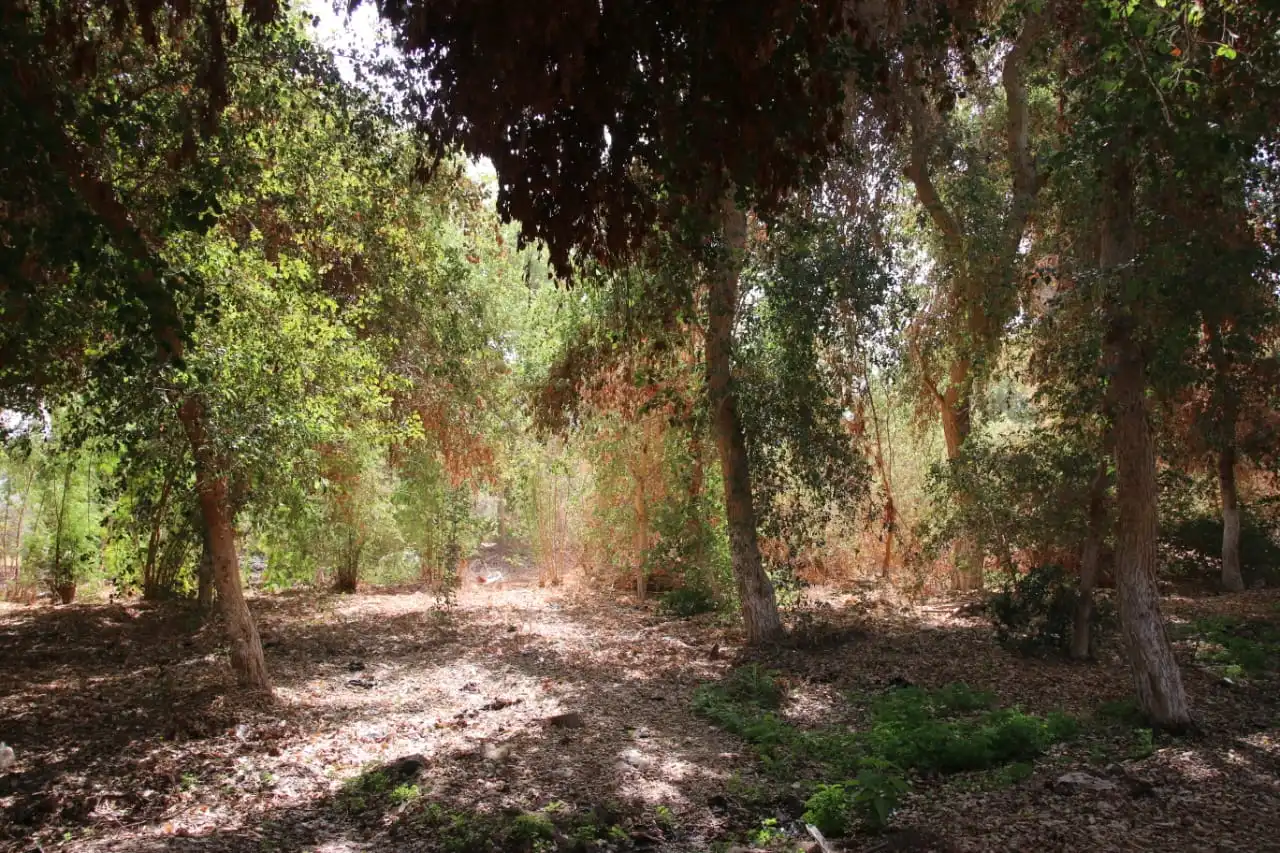
Located in the Habil district of Luxor Governorate, the Habil Tree Forest is one of Egypt’s largest artificial forests and a flagship example of sustainable environmental investment. Established to recycle treated wastewater for large-scale irrigation, the project aims to reduce pollution, conserve freshwater resources, mitigate climate change, and generate economic returns through the production of timber, plant oils, and biofuel.
The forest stands as a model of how environmental protection and economic development can be successfully integrated in arid regions facing mounting climate pressures.
One of Egypt’s Largest Artificial Forest Projects
Engineer Mohamed Ali, General Manager of the Tree Forests Department at Luxor’s Drinking Water and Sanitation Company, explains that the project was established in 1996 by the Ministry of Agriculture in the Al-Bayadiya district, specifically in the Habil area. Ownership was later transferred to the Luxor Water and Sanitation Company in 2007.
Since its inception, the cultivated area has expanded steadily, with 120 feddans currently managed directly by the company.
“The primary benefit of tree forests lies in the safe disposal of treated wastewater,” Ali explains. “Instead of releasing it into the environment, we reuse it for irrigation, preventing pollution while preserving freshwater resources. At the same time, these green spaces absorb carbon dioxide, release oxygen, reduce temperatures, and improve air quality.”
According to environmental measurements, a single feddan can produce approximately 250 kilograms of oxygen annually while absorbing around 450 kilograms of carbon dioxide, significantly contributing to climate mitigation.
Premium Timber and High-Value Crops
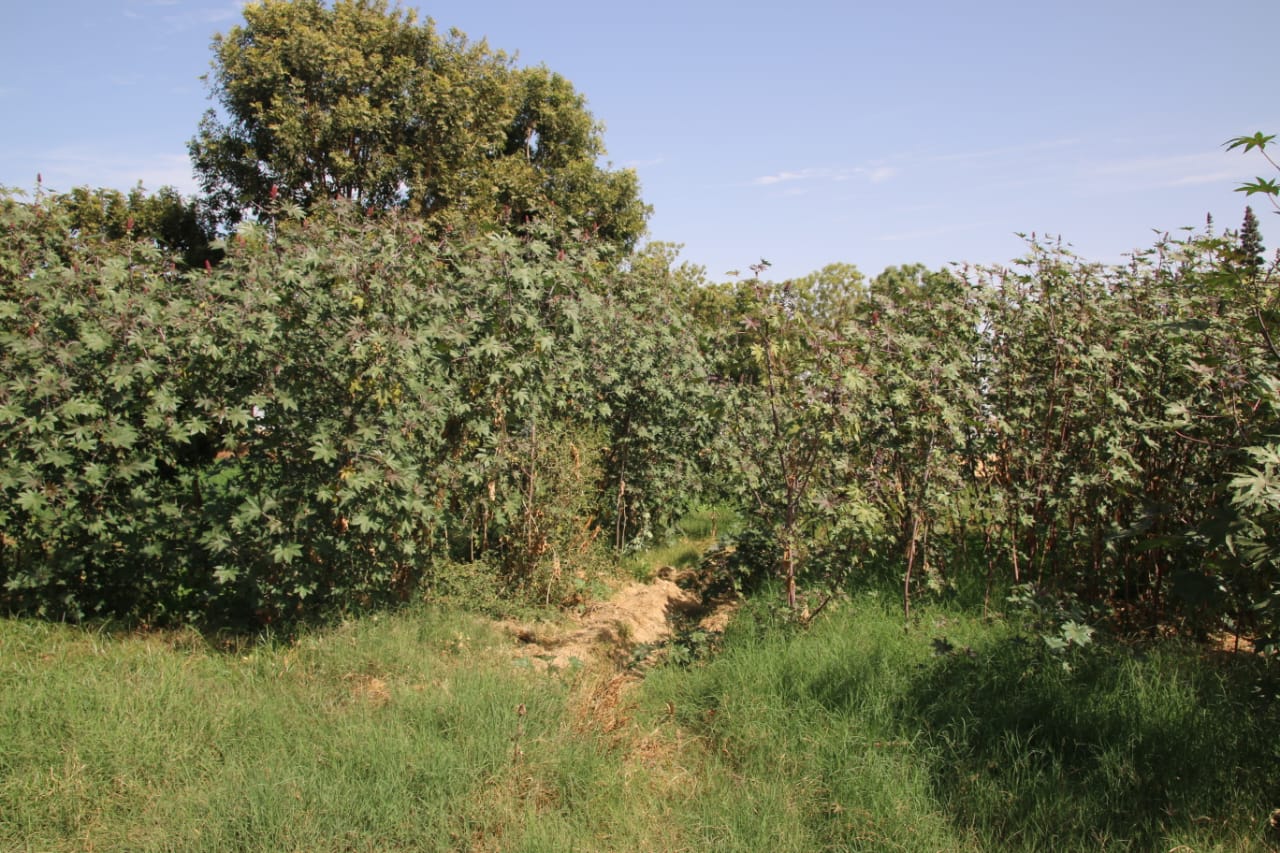
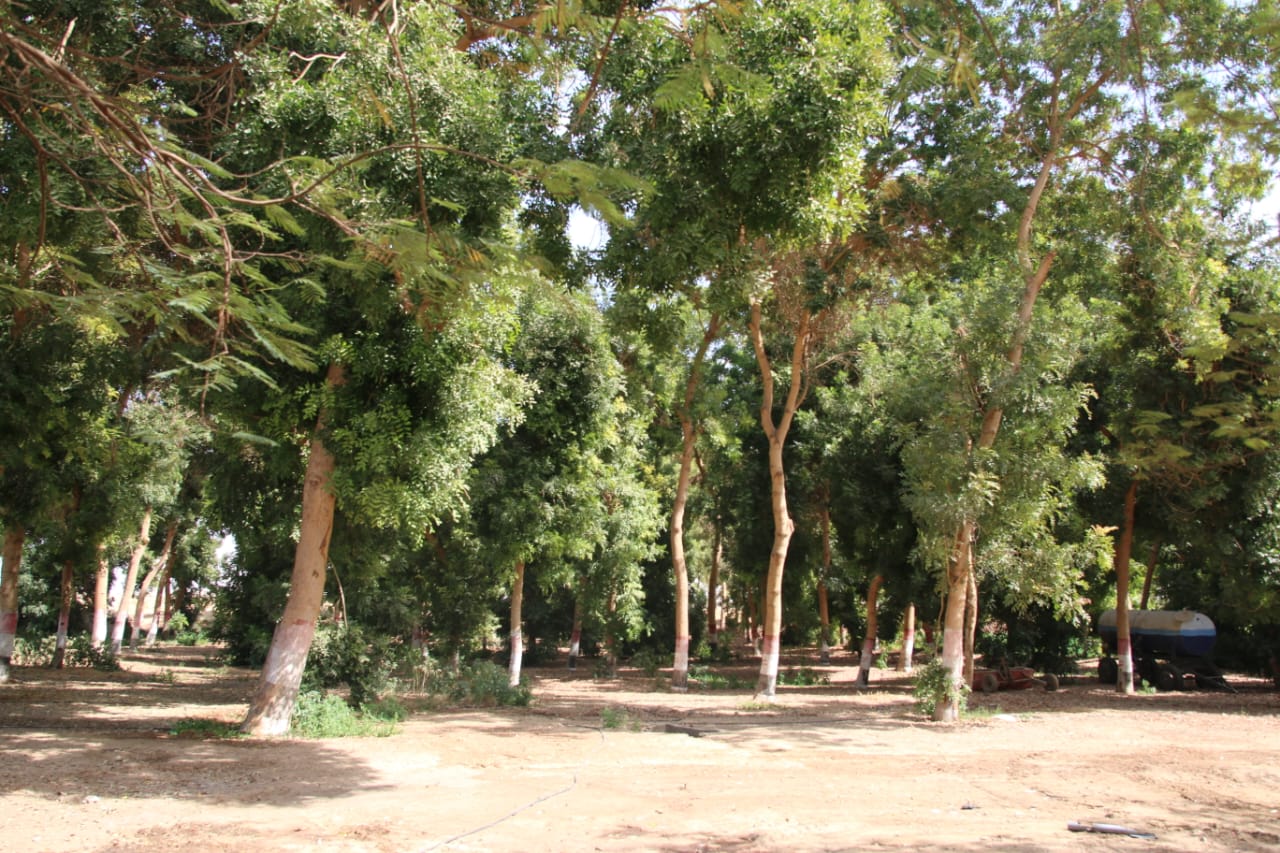
The forest hosts a wide variety of tree species, selected for their economic and environmental value. Among the most prominent is the Khaya tree, known for producing high-quality hardwood widely used in furniture and construction. Other species include Sarsoua timber trees, Jazorin trees, native Tamarisk (Athl baladi), which tolerate extreme heat and drought, and productive jojoba plants.
From an economic perspective, Khaya trees yield profitable timber within 25 to 30 years, while jojoba plants begin producing within just three years. Although current seed yields remain relatively low and are primarily sold to local traders, production can reach between 800 kilograms and 1.2 tons per feddan under optimal agricultural conditions.
Jojoba: The Gold of Natural Oils and Biofuel
Jojoba trees hold exceptional economic value. Their seeds produce one of the world’s most expensive natural oils, widely used in cosmetics, pharmaceuticals, and biofuel production.
Ali explains that medical-grade jojoba oil requires cultivation using freshwater irrigation, while trees grown using treated wastewater remain suitable for industrial and biofuel applications. The average lifespan of trees in the forest reaches 15 years, after which replanting ensures sustained productivity.
How Green Spaces Combat Climate Change
Engineer Hossam Moharam, former advisor to Egypt’s Minister of Environment, emphasizes the crucial role of green spaces in confronting climate change. He describes tree cover as “the lungs of the planet,” noting its role in absorbing carbon dioxide, reducing heat stress, and improving air quality.
“Trees reduce the intensity of heat waves through shading and evapotranspiration, filter dust and pollutants, stabilize soil, reduce flood risks, and support biodiversity,” Moharam explains. “Expanding green cover is not an environmental luxury—it is a strategic investment that reduces healthcare costs and protects long-term economic stability.”
He stresses the need to integrate large-scale afforestation into national development strategies to safeguard environmental security for future generations.
A Model of Sustainable Development
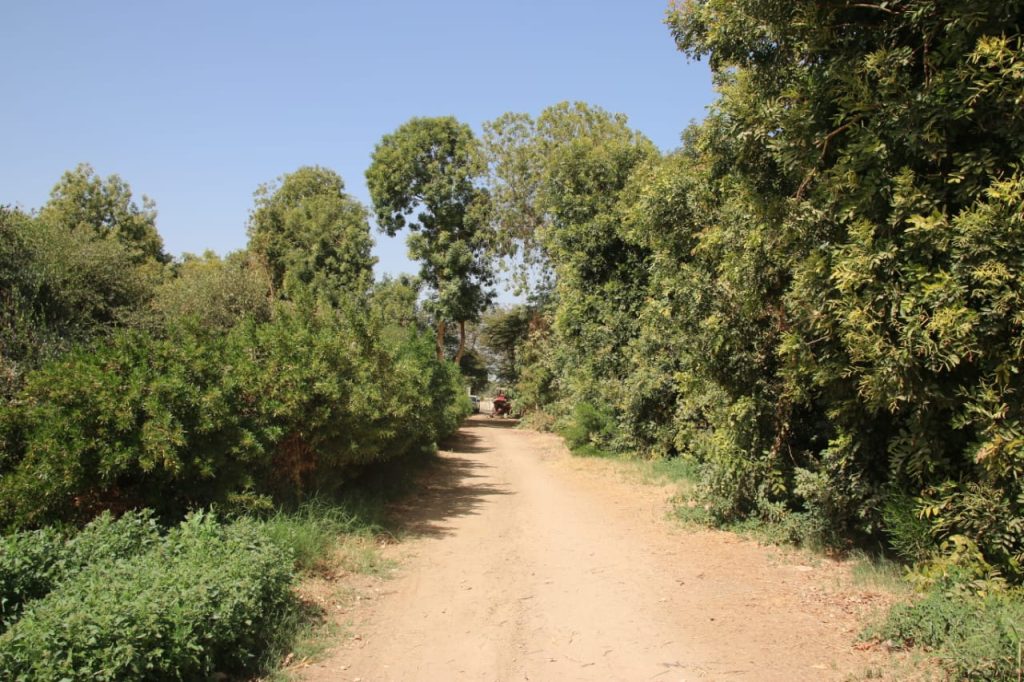
Engineer Mohamed Radwan, Director of Environmental Affairs in Luxor Governorate, describes the forest as a sustainable development model that efficiently utilizes resources by recycling wastewater, conserving freshwater, reducing carbon emissions, and expanding green cover.
He adds that the project aligns with Egypt’s national initiative to plant 100 million trees, launched in October 2022 alongside the COP27 Climate Summit in Sharm El-Sheikh. The initiative is scheduled for implementation in seven phases across all governorates.
Environmental Awareness and Community Engagement
Beyond cultivation, Luxor’s Environmental Affairs Department organizes educational workshops and awareness campaigns throughout the governorate, encouraging citizens to plant trees in front of their homes, along roads, and in unused spaces.
Special attention is given to mountain plantations for wind protection, urban pruning programs for public safety, and rooftop gardening initiatives using compact plants such as grapevines, promoting greener cityscapes and improved microclimates.
A Living Blueprint for Egypt’s Green Future
In an era defined by water scarcity and rising temperatures, the Habil Tree Forest demonstrates how environmental engineering, resource recycling, and ecological planning can converge into a living blueprint for sustainable development. It offers not only shade and oxygen, but a replicable model for climate resilience in Egypt and beyond.
