


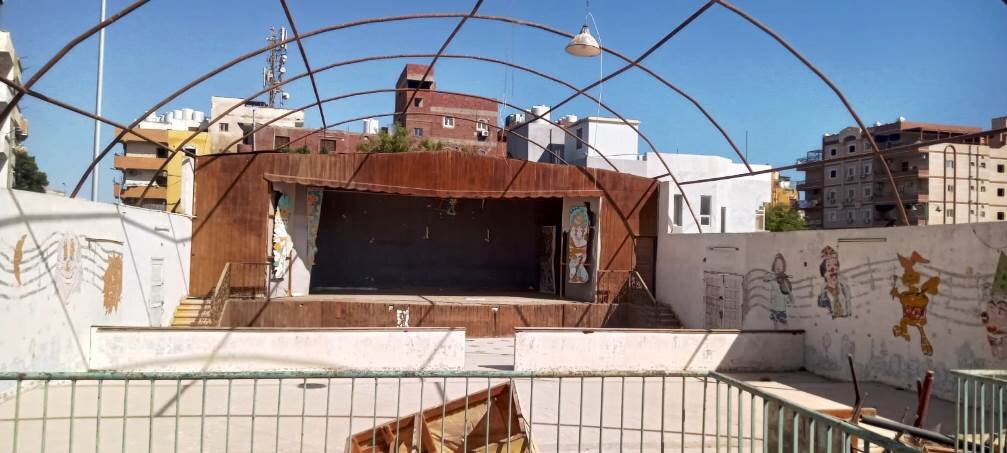
In the early 2000s, Safaga was a beacon of Egyptian theater. Today, its cultural palace stands shuttered, deemed unsafe. Former actors and directors tell the story of a vibrant movement that collapsed, and what it meant for the community
As the world celebrated World Theater Day, the story of Safaga stands as a reminder of what theater can achieve and what can be lost. Between 2000 and 2010, this Red Sea town witnessed an extraordinary flowering of theatrical activity. Productions ranged from political and social comedies to serious dramas. Directors came from across Egypt. Audiences filled the seats. Newspapers called those years “The Nights of Delight in Safaga.”
Today, the stage is dark. The theater has fallen silent. What was once a beacon of awareness and artistic value has become a memory.
A Golden Era
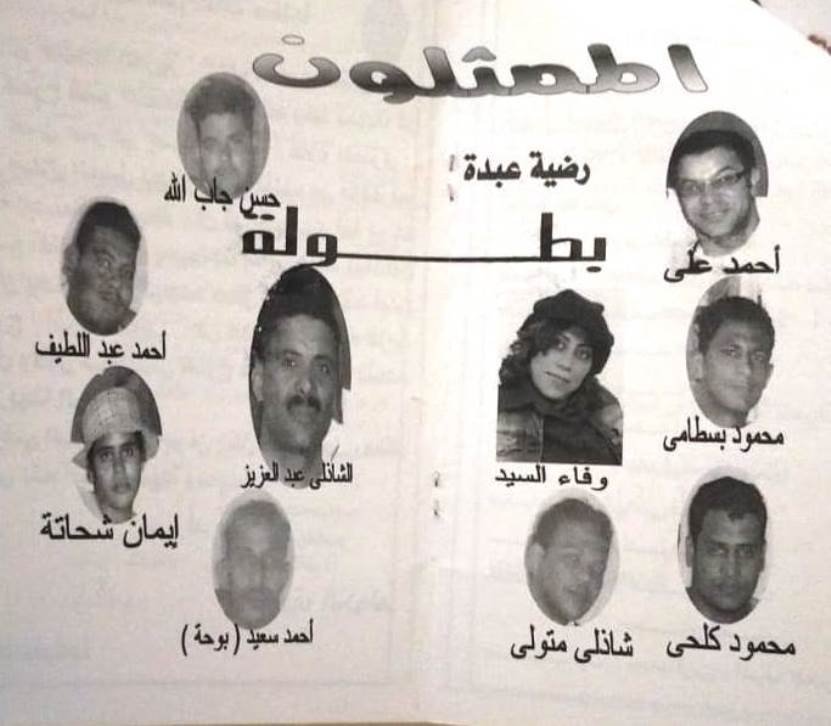
Shazly Abdel Aziz, a poet and actor with the Safaga theater troupe, recalls the years when theater flourished in the city. It was an exceptional period, he says, marked by wide-ranging artistic and cultural activity. The troupe produced numerous plays addressing a variety of themes and social issues. Among them: Tomorrow, Energy Enough, The Old Man, the Officer, and the Millionaire, The Journey of Handhal, and The Tyrant.
In 2004, the troupe participated in a theater festival hosted by Safaga that brought together dozens of groups from across Egypt. For a full week, more than twenty troupes performed in an unprecedented cultural event. The public response was overwhelming. Newspapers dubbed the period “The Nights of Delight in Safaga,” a phrase that captured the energy and enthusiasm of those years.
Kamal El-Shennawy’s Visit
The festival’s closing ceremony was held at the Safaga Culture Palace theater, Abdel Aziz recalls. A defining moment came when veteran actor Kamal El-Shennawy presented awards to the artists. The event left an indelible mark on the city’s memory, raising the stature of theater in the community.
The troupe itself had about twenty members. Their success was remarkable. One actor from the production Tarheel won the award for Best Actor in nationwide theatrical competitions. It was a testament to the quality of the work during what Abdel Aziz calls Safaga’s golden age of theater, from 2000 to 2010, a period sustained by institutional support, audience engagement, and official recognition.
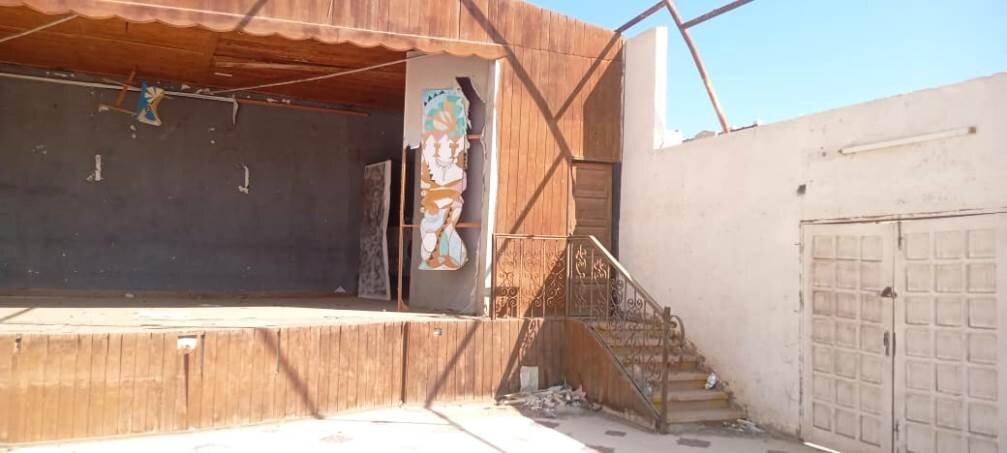
Closure: A Blow That Ended the Dream
Abdel Aziz laments the decline of theater in recent years. “The activity disappeared because the Safaga Culture Palace theater was closed by order of civil defense authorities,” he explains. “It had deteriorated and no longer met safety standards. It became dangerous for both the audience and the performers.” Without a formal venue, young people lost the platform where they could present their talents.
Efforts to revive theatrical activity continue on an individual basis, he notes, with limited productions. But these are not enough without proper infrastructure and institutional support. Theater in Safaga, he insists, needs a genuine vision to reclaim its role in enlightening and shaping the community.
Neglect, Not a Lack of Talent
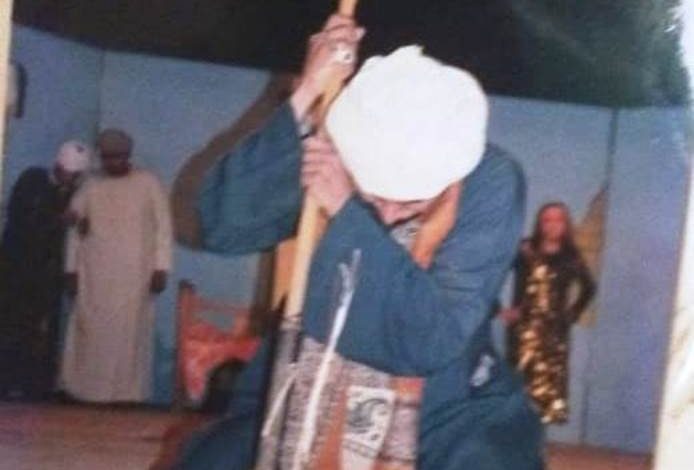
Sawsan Abdel Razek, a former Arabic teacher and former actress with the Safaga Culture Palace troupe, remembers theater as an integrated artistic and cultural phenomenon. Productions brought together actors and directors from across Egypt, who would stay for months at a time. The result was a creative ferment that honed the actors’ skills and nurtured a genuine passion for theater.
She performed in productions that ran for three or four consecutive days, covering themes from political to social comedy. Despite the town’s modest size, audiences turned out in large numbers. “It reflects the public’s awareness,” she says, “their connection to serious art, their ability to engage with social issues through theater.”
Theater played a vital role in shaping public consciousness, she adds. Its messages, both direct and indirect, touched on the daily concerns of citizens. “Theater was not just entertainment. It was an effective tool for building thought and reinforcing values.”
Theater’s Current Role
Abdel Razek criticizes the diminished role of theater today. The problem, she emphasizes, is not with the actors. It lies in the lack of attention from those who manage the cultural system, and in the neglect of theater buildings in many towns. This has robbed audiences of the powerful impact they once experienced.
In the past, she notes, the state invested heavily in cultural activities. Trainers and specialists were sent to support theater groups and develop talent. Culture houses thrived. Today, some of those same spaces sit abandoned, stripped of their purpose.
She calls for a revival of theatre by providing proper venues, moving beyond individual efforts. Audiences, she believes, have greater trust in official institutions. A return to structured, state-supported theater would restore its brilliance and its social impact.
State Support Once Made Theater Whole
Ibrahim Khalil, a former director of the Culture Palace, recalls the institutional support theater once received. An annual budget was allocated to form theater groups. Professional directors were hired to train members, select scripts, and work with them for months in an organized process aimed at producing fully realized productions.
Those productions underwent rigorous evaluation by committees from the theater sector or the Ministry of Culture. Every element was scrutinized: sets, sound, costumes. On that basis, budgets were increased or notes provided for improvement. It was a real incentive to produce strong, resonant work rooted in the community’s concerns.
Participant Apathy and Theater’s Decline
Khalil attributes the decline of theater and cultural taste in the Red Sea towns to several factors. Chief among them is the drop in participation from artists. The troupes once drew from all segments of society: civil servants, teachers, workers, ordinary people. But the accelerating pace of daily life and a general decline in cultural engagement have discouraged many from taking part. Neglect from cultural authorities has compounded the problem.
The Red Sea towns, he recalls, once witnessed remarkable cultural activity. Every Culture House had a trained theater troupe, a children’s group, and ensembles for religious chant and folk music. It created a wide web of social interaction around cultural activities.
Theater left its mark on people’s lives, he adds. Audiences memorized lines from plays, repeated them in conversation, discussed the issues they raised. It was a measure of art’s power to shape collective consciousness. Theater, along with music and poetry, was one of the essential tools for building character and nurturing spiritual peace in the community.
The Shalateen Experiment
Khalil recounts his experience working in Shalateen, a remote town in Egypt’s southern Red Sea region. There, he succeeded in forming a theater troupe that staged productions exploring tribal customs and traditions, issues of marriage, and relations between tribes. Despite the community’s simplicity, the themes resonated strongly with audiences.
He recalls the vitality of cultural life in the past. Activities were not confined to specific seasons but stretched throughout the year. During Ramadan, there were artistic competitions and daily performances. During the Hajj season, Safaga hosted theatrical productions and religious chant events for pilgrims and those bidding them farewell, held regularly. All of this has gradually disappeared, without clear reason, despite its importance for community awareness.
The Decline of Institutional Role
Mahmoud Saad, a former actor at the Safaga Culture Palace, says the theater experience was a crucial stage in his artistic development. He performed in productions such as Nabeet, The Tyrant, and The Festival of Sidi Sheika Mara, before moving on to work as an assistant director.
In those days, he explains, theatrical work rested on integrated elements: a quality stage, strong texts, training from specialized directors, set designers, and ongoing workshops. It created a genuine artistic atmosphere built on professionalism, even though the participants were amateurs.
This attention gradually faded as cultural institutions were neglected. The Culture Palace became a neglected space, after having been a beacon of art. The excuses given for closing the theater, Saad notes, were always about insufficient funding. Meanwhile, social media emerged as a powerful competitor, capturing young people’s attention without offering a real alternative of comparable cultural value.
Theater as a School of Values
Saad criticizes the lack of support for playwriting. There is little encouragement for authors to produce strong texts, or competitions for playwriting or fiction, unlike poetry competitions. The result is a weak artistic output and the disappearance of incentives for amateurs, who no longer have a place within the cultural system.
The disappearance of theater was not just the loss of an art form, he believes. It has had a direct impact on the awareness of new generations. Young people have grown up without exposure to the values theater instilled through its thoughtful, organized exploration of human and social issues. Theatre, he notes, was subject to review and evaluation that ensured meaningful content that reinforced ethical principles.
Social Media Fills the Void Without Guardrails
Saad warns against leaving young people to the influence of social media platforms without genuine guidance. These platforms offer a chaotic mix of content that cannot be controlled or shaped, and they follow no clear standards. They have contributed to the emergence of generations with less awareness, less culture, and further removed from the core values of Egyptian society than the organized educational and cultural role theater once provided.
He calls for rebuilding an integrated cultural system that reconnects the various arts: theater, acting, writing, and directing. It must support creative networks that allow artists to present their work in an organized way, whether on stage or through modern media, professionally. Reviving theatre, he insists, is a fundamental step toward restoring cultural awareness and community identity.