

Close Menu

    Subscribe to Updates

    Get the latest creative news from FooBar about art, design and business.

    What's Hot

    The Woven Skeleton: The Palm Frond Artisans of Kafr Al-Battikh Fend Off a Plastic Tide

    14/05/2026

    The Tragedy of Azbakia and Imam Al-Shafi’i: How Architecture Rewrites Our History

    14/05/2026

    The Sanctuary of Saint Bishoy: A Living Ledger of Egyptian Monasticism

    13/05/2026
    Facebook X (Twitter) Instagram
    Facebook X (Twitter) Instagram
    BabMasrBabMasr
    Subscribe
    • Home
    • Upper Egypt
    • Lower Egypt
    • Greater Cairo
    • Analysis
    • The Guide
    • Videos
    • About
      • Contact us
      • Editorial Policies
      • Anti-Harassment Policy
      • Advertising Policies
    • AR
    BabMasrBabMasr
    Home » A Dish Older Than Memory: Why Upper Egypt Cooks Fereek on the Wednesday of Holy Week
    Upper Egypt

    A Dish Older Than Memory: Why Upper Egypt Cooks Fereek on the Wednesday of Holy Week

    Jasmine MehnaBy Jasmine Mehna09/04/2026No Comments4 Mins Read0 Views
    Facebook Twitter Pinterest LinkedIn Tumblr Email
    Assiut Fereek
    Share
    Facebook Twitter LinkedIn Pinterest WhatsApp Email

    In Assiut, the Wednesday of Holy Week is known as “Job’s Wednesday.” Muslims and Christians alike prepare fereek, a dish made from green wheat, in clay pots. The tradition is tied to the story of the Prophet Joseph and a lesson in patience and providence.

    In Asyut, food is never just a meal. It is a story stretched across thousands of years, carrying historical and cultural depth. This is especially true during Holy Week, when families celebrate “Job’s Wednesday” by cooking fereek casseroles in their homes. The tradition is tied to the story of the Prophet Joseph.

    From the Field to the Clay Pot

    Nagwa Ali, 55, a homemaker, prepares each year for the arrival of Holy Week, known locally as “Job’s Days.” Muslims and Copts celebrate together, not as a purely religious ritual but as a custom passed down through generations. The tradition centers on preparing fereek casseroles.

    “Fereek for us is not just food,” she says with a smile carrying the warmth of the past. “It is a beautiful story we live every year.”

    She explains that preparations begin before “Job’s Wednesday,” which always falls on a Wednesday. Families cut green wheat stalks from the fields. The stalks are left in the sun for more than five hours, then burned and dried in a sunny spot for several days. After that, the wheat is threshed to extract the fereek. Then begins the careful process of cleaning it.
    Assiut
    Assiut

    Cleaning and Grinding the Fereek

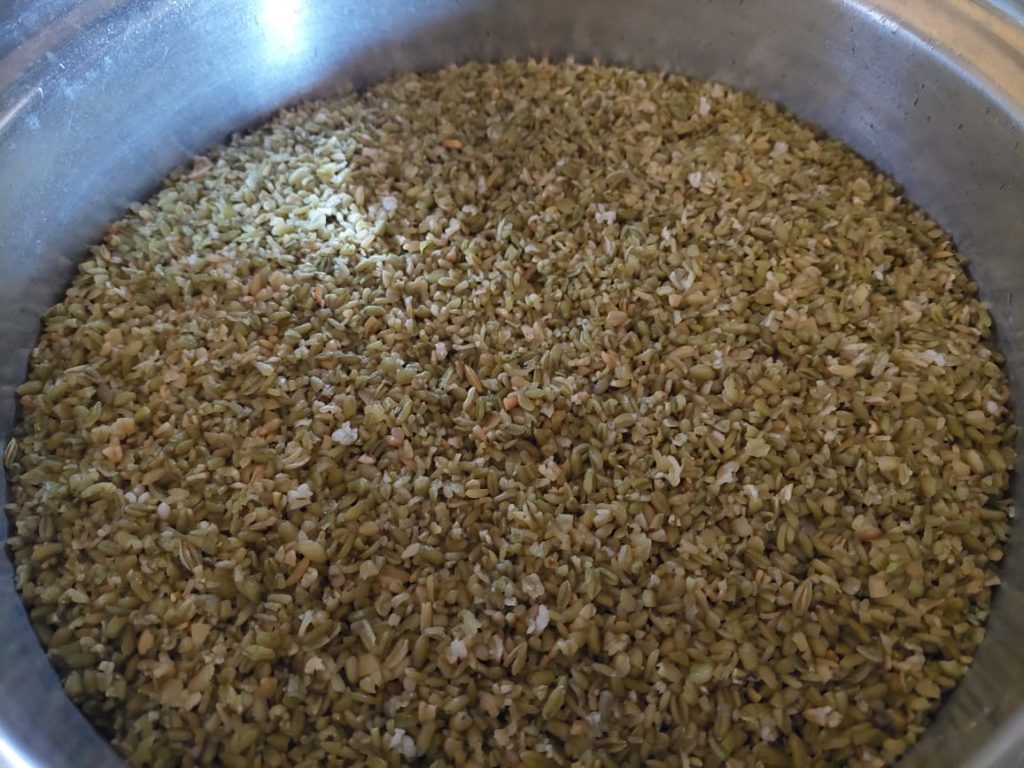
    After that, Nagwa continues, the fereek is cleaned. “We sift the fereek,” she says, removing any stones or hard impurities. It is then sieved to remove fine dust, after which it is sent to the mill to be coarsely ground. It becomes ready for cooking. The fereek does not turn into flour, she emphasizes. It retains its distinctive texture and green color, which sets it apart from ordinary wheat.

    In the kitchen, Nagwa begins the preparation with visible love. She washes the fereek thoroughly and leaves it to soak in water for half an hour to an hour.

    “After soaking, I prepare the onions,” she explains. “Some people slice them thinly and add them directly to the fereek. But I prefer to sauté them a little to give a distinctive flavor. Then I add a light tomato sauce or broth with plain water, and simple spices like salt and black pepper. That makes the casserole broth ready.”

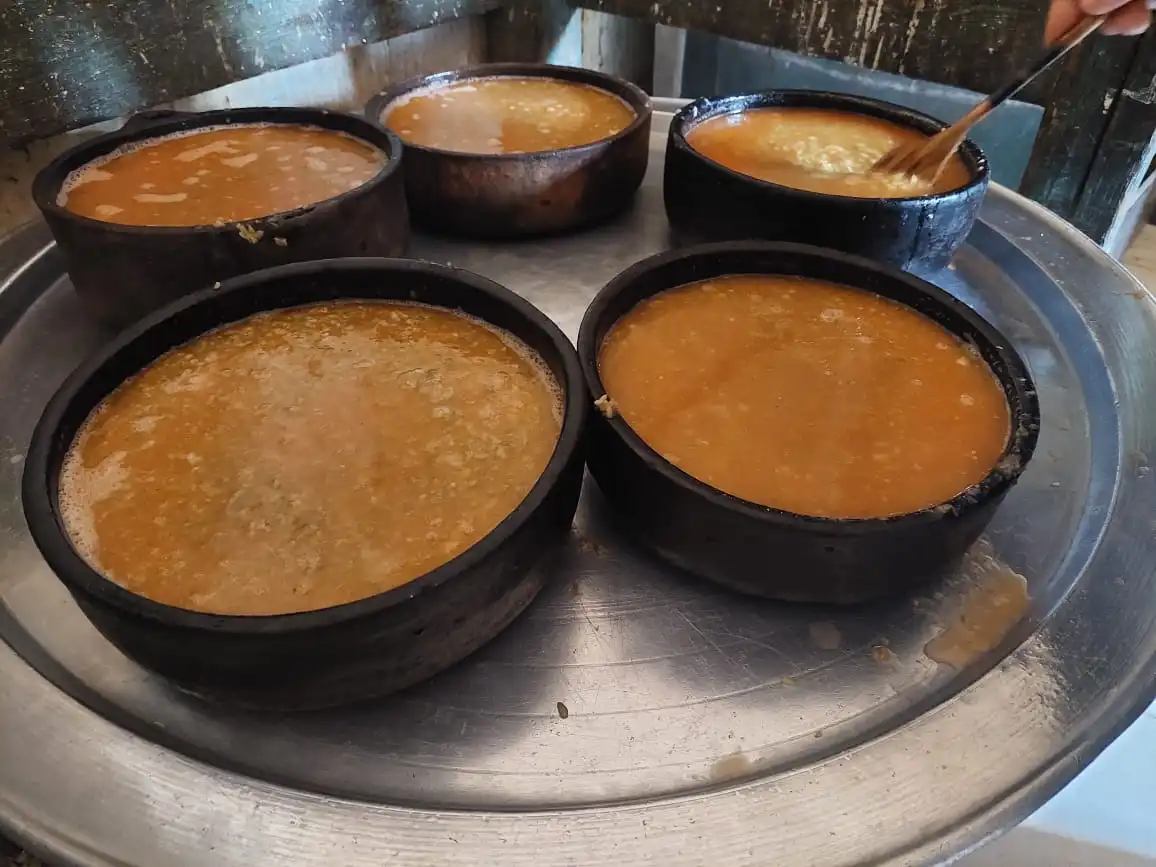
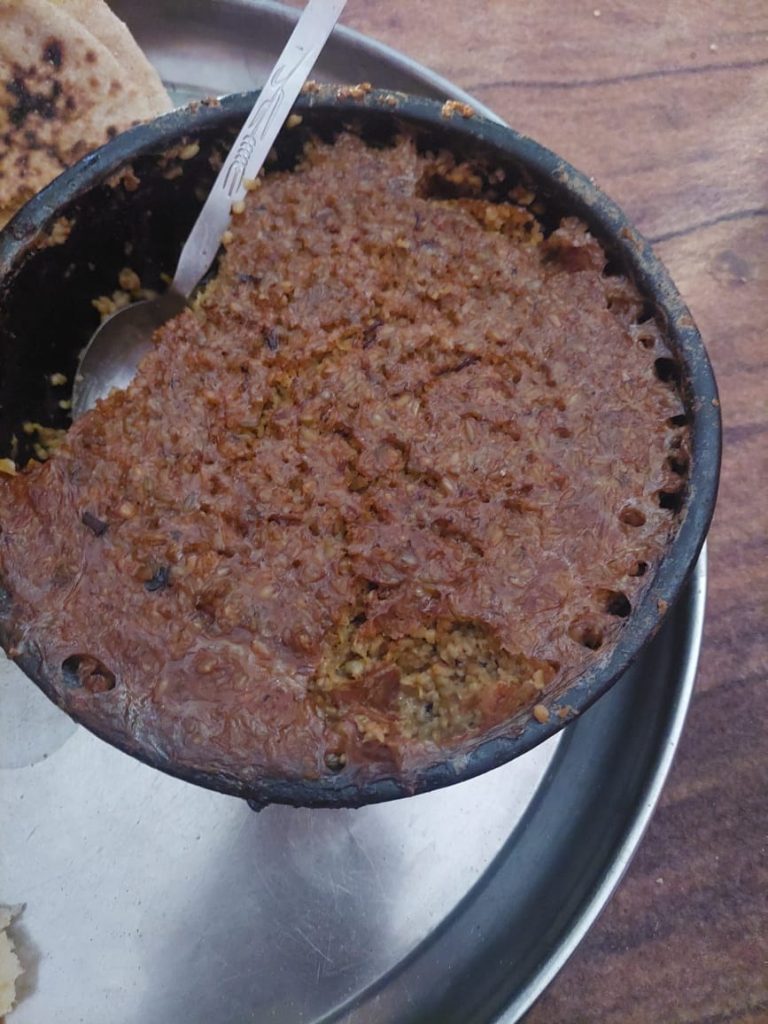
    After that, the soaked fereek is placed in clay pots according to the desired quantity. The broth is added, and the dish goes into the oven at a medium temperature until it takes on a light golden color and cooks through. It is served at the table. Some prefer it on its own. Others eat it with local baladi bread.

    “Job’s Wednesday”: A Tradition That Never Disappears

    Nagwa confirms that “Job’s Wednesday” is a tradition that never fades. Sometimes families prepare fereek on other days, simply longing for its aroma and taste. The custom is closely tied to the people of Asyut and is practiced annually during Holy Week, specifically on this day.

    There is another custom as well, she adds. People shape green wheat stalks into roses and hang them on their doors to bring goodness and happiness. The decorations are renewed each year, a tradition linked to the story of the Prophet Joseph interpreting the king’s dream.
    Assiut2
    Assiut2

    Fereek: A Story Passed Down

    Nagwa Ali explains that the origin of this custom goes back to the story of the Prophet Joseph, known to Copts as “Saint Joseph.” He interpreted the dream of Egypt’s king, who saw seven fat cows devoured by seven lean ones. That interpretation saved Egypt from famine.

    “In honor of that story,” she concludes, “and in celebration of goodness and the wheat harvest, we celebrate in Assiut by making fereek casseroles, as a sign of hope and happiness for every home.”

    Fereek still commands its place, not only as food but as a living ritual carrying the memories of time. Its spirit permeates the homes of Asyut, a story told and lived, passed from one generation to the next.

    Assiut Cusine Coptic Christian traditions Egyptian wheat dishes Holy Week Egypt Job's Wednesday tradition Muslim Coptic coexistence
    Share. Facebook Twitter Pinterest LinkedIn Tumblr Email
    Previous ArticleThe Ancient Hymn of Damanhour: The Enduring Legacy of the Church of the Annunciation
    Next Article From Holy Water to Used Clothes: The Surprising Legacy of Port Said’s Saint Eugenie Church
    Jasmine Mehna

    Related Posts

    The Sanctuary of Saint Bishoy: A Living Ledger of Egyptian Monasticism

    13/05/2026

    Shadows Over the Nile: Concrete Construction Spark Criticism Beneath the Temple of Kalabsha

    13/05/2026

    The Last Cobblers of Luxor: A Craft Contesting the Modern Tide

    10/05/2026

    Comments are closed.

    Recent Posts

    • The Woven Skeleton: The Palm Frond Artisans of Kafr Al-Battikh Fend Off a Plastic Tide
    • The Tragedy of Azbakia and Imam Al-Shafi’i: How Architecture Rewrites Our History
    • The Sanctuary of Saint Bishoy: A Living Ledger of Egyptian Monasticism
    • Shadows Over the Nile: Concrete Construction Spark Criticism Beneath the Temple of Kalabsha
    • The Damanhur Opera House: A Sovereign Union of Italian Elegance and Islamic Heritage

    Recent Comments

    1. Binance美国注册 on An exhibition in Paris reimagines Cleopatra, far from Western narratives
    2. binance "oppna konto on An exhibition in Paris reimagines Cleopatra, far from Western narratives
    3. código de referencia de Binance on Art exhibition documents the first Egyptian Scout postage stamp at the National Museum of Civilization
    4. Binance账户创建 on Between popular religiosity and the benevolence of the Quran, how can beauty be reconnected with “Sayyida Zeinab”?
    5. phoenix game on Theater never dies… Mansoura saves its heritage and restores it as an opera house

    Archives

    • May 2026
    • April 2026
    • March 2026
    • February 2026
    • January 2026
    • December 2025
    • November 2025
    • October 2025
    • September 2025
    • August 2025
    • July 2025
    • June 2025
    • February 2025
    • March 2022
    • January 2021
    • March 2020
    • January 2020

    Categories

    • Analysis
    • Editor's Picks
    • Featured
    • Features
    • Gadgets
    • Greater Cairo
    • Health
    • Lebanon
    • Lifestyle
    • Lifestyle
    • Lower Egypt
    • News Focus
    • Red Sea
    • Relations
    • Technology
    • Travel
    • Travel & Tourism
    • Trending Now
    • Uncategorized
    • Upper Egypt
    • Western Desert
    © 2026 ThemeSphere. Designed by ThemeSphere.
    • Home
    • Lifestyle
    • Relations
    • Travel & Tourism
    • Buy Now

    Type above and press Enter to search. Press Esc to cancel.

    X